Ubud is not just a destination; it is a living philosophy. Its beauty isn’t merely aesthetic—it is a reflection of a spiritual balance known as Tri Hita Karana. In this comprehensive guide, we will explore how you can reconnect with nature, engage with local heritage, and why Bali Eco Farm is the ultimate sanctuary for those seeking a meaningful journey through the heart of Bali.
Table of Contents
- The Philosophy of Tri Hita Karana
- Cultural Farming: Touching the Earth
- Traditional Jamu Making: Ancient Healing Arts
- Traditional Coffee Experience: From Bean to Cup
- Cheese Making: An Artisanal Balinese Twist
- Cooking Class: The Secrets of Basa Gede
- Why Bali Eco Farm is Your Gateway to Authenticity
- Tips for Responsible Travel in Ubud
The Philosophy of Tri Hita Karana
Every authentic experience in Ubud nature & culture is rooted in Tri Hita Karana, which translates to the “Three Causes of Prosperity.” This ancient philosophy guides how Balinese people interact with the world:
- Parhyangan: Harmony with the Divine (Spirituality).
- Pawongan: Harmony among people (Community).
- Palemahan: Harmony with nature (Environment).
When you visit a local farm or participate in a village ceremony, you aren’t just a spectator; you are witnessing a delicate dance of these three elements. Understanding this context is what transforms a simple tour into a life-changing experience.
Cultural Farming: Touching the Earth
Farming in Bali is a sacred act. It is not just about food production; it is about maintaining the Subak system—a UNESCO-recognized irrigation network that has existed since the 9th century. At our Cultural Farming sessions, we invite you to step into the mud, feel the texture of the soil, and understand the spiritual connection between the farmer and the rice goddess, Dewi Sri.
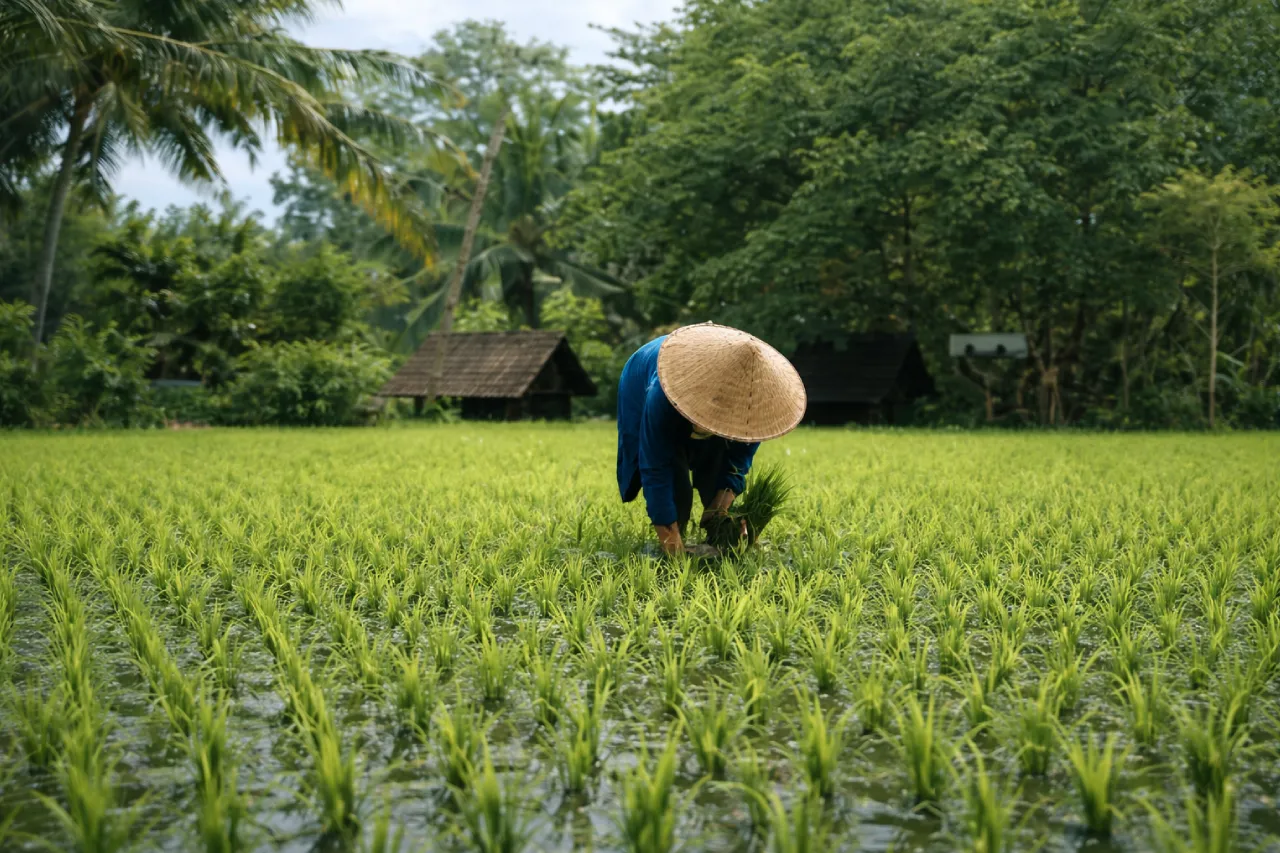
The Subak system represents the perfect harmony between humans and nature.
By participating in traditional planting or harvesting, you learn the value of patience and community. You see firsthand how water is shared equitably among neighbors, reflecting a level of social cooperation that is rare in the modern world. This is the epitome of an authentic experience in Ubud nature.
Traditional Jamu Making: Ancient Healing Arts
Long before modern pharmacies arrived in Bali, the locals relied on Jamu—traditional herbal medicine. Using roots, barks, flowers, and seeds found in the backyard, Balinese families have cured ailments for generations. In our Traditional Jamu Making workshop, you will learn to identify medicinal plants like turmeric, ginger, and galangal.
You will experience the rhythmic sound of the mortar and pestle as you grind fresh ingredients to create “Boreh” (a warming body scrub) or “Lulur.” This isn’t just a beauty treatment; it is a lesson in Balinese ethnobotany. Drinking a fresh glass of Jamu Kunyit Asam under the shade of a tropical tree is a sensory journey you won’t forget.
Traditional Coffee Experience: From Bean to Cup
Forget the espresso machines. The Traditional Coffee Experience in Ubud is a slow, methodical process that honors the bean. Bali’s volcanic soil produces some of the finest Arabica and Robusta beans in Southeast Asia.
We take you through the entire journey: picking the red cherries, sun-drying them, and the most satisfying part—roasting them over an open fire in a clay pot. The aroma of freshly roasted Balinese coffee, hand-pounded in a wooden mortar, is incomparable. It is a moment of mindfulness that highlights the beauty of simplicity.
Cheese Making: An Artisanal Balinese Twist
While cheese might not be the first thing that comes to mind when you think of Bali, the island’s fresh milk and tropical herbs have inspired a new wave of artisanal craftsmanship. Our Cheese Making program is a unique fusion of Western techniques and Balinese ingredients.
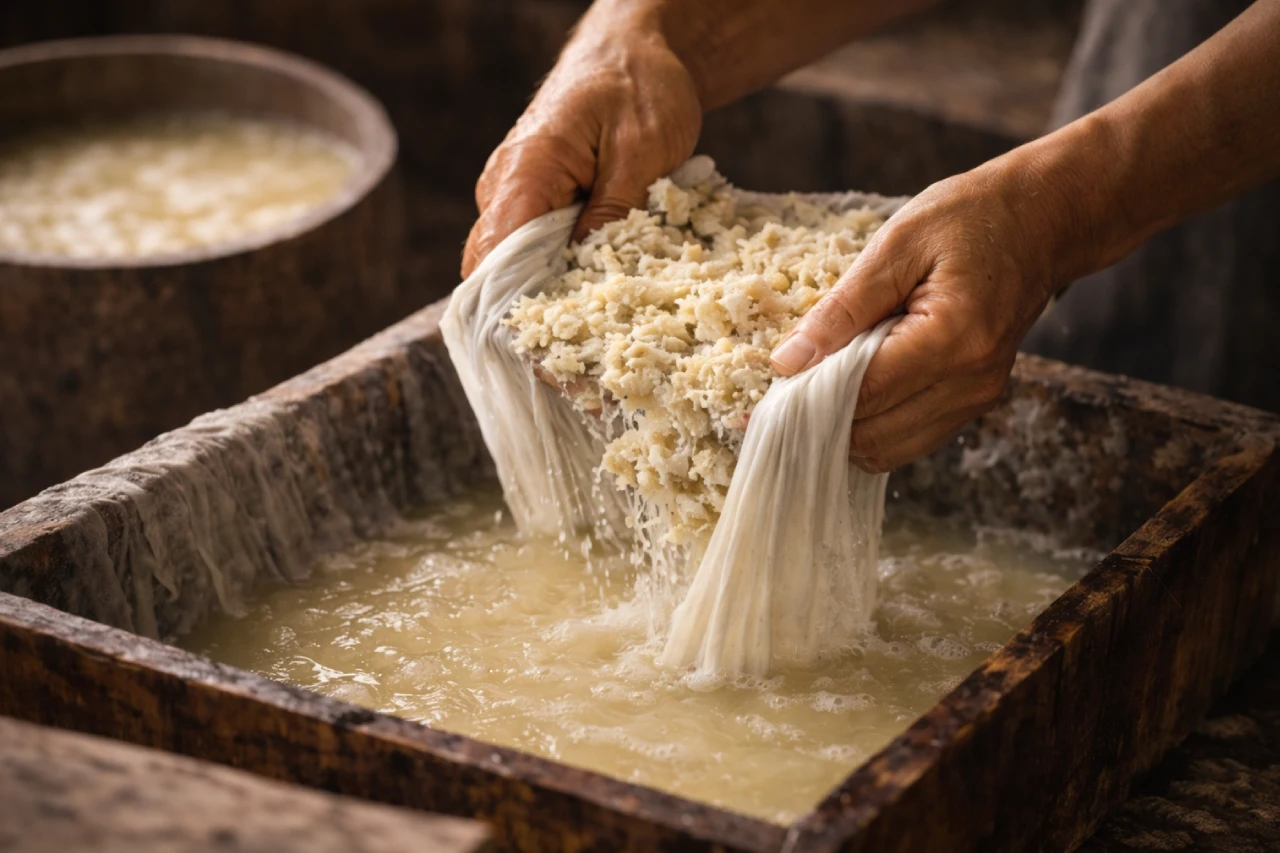
Using locally sourced milk, you will learn the science of curdling and aging, often infusing the cheese with local flavors like sea salt from Amed or wild honey. This program showcases the innovative spirit of modern Bali, where tradition meets global creativity.
Cooking Class: The Secrets of Basa Gede
No authentic experience in Ubud culture is complete without tasting its flavors. However, our Cooking Class at Bali Eco Farm goes beyond just following a recipe. It starts with a “garden-to-table” tour where you harvest your own vegetables and spices.
The heart of Balinese cuisine is Basa Gede (the big spice paste). You will learn the complex balance of 15+ ingredients that create the base for dishes like Sate Lilit and Lawar. Cooking in a traditional wood-fired kitchen allows you to experience the smoky flavors and textures that define Balinese home cooking. You don’t just eat; you learn the story behind every bite.
Why Bali Eco Farm is Your Gateway to Authenticity
At Bali Eco Farm, we believe that tourism should be a force for good. Our Eco Farm is a sanctuary designed to preserve the environment while providing visitors with a genuine connection to the land. Whether you are exploring our permaculture gardens or relaxing with a view of the mountains, you are supporting a community-driven initiative.
Our programs are designed for those who want to “unplug.” By choosing us, you are choosing to support organic farming, waste management education, and the preservation of Balinese cultural heritage. We offer a space where you can be a guest, not just a tourist.
Tips for Responsible Travel in Ubud
To ensure your experience remains respectful and sustainable, follow these simple guidelines:
- Dress Respectfully: Always wear a sarong and sash when entering temple grounds.
- Minimize Plastic: Bali is banning single-use plastics. Bring a reusable water bottle.
- Support Local: Buy from local artisans and markets rather than large international chains.
- Be Mindful of Ceremonies: If you see a procession on the road, wait patiently and do not use flash photography during prayers.
Ready to Experience the Real Ubud?
Don’t just visit Bali—live it. Join us for a day of discovery, healing, and connection.
Book your spot in one of our immersive programs and take home memories that last a lifetime.
Written by the Bali Eco Farm Team. Dedicated to promoting sustainable travel and preserving the heart of Balinese culture.